
Leave the Leaves: Leaf Litter and Microhabitats
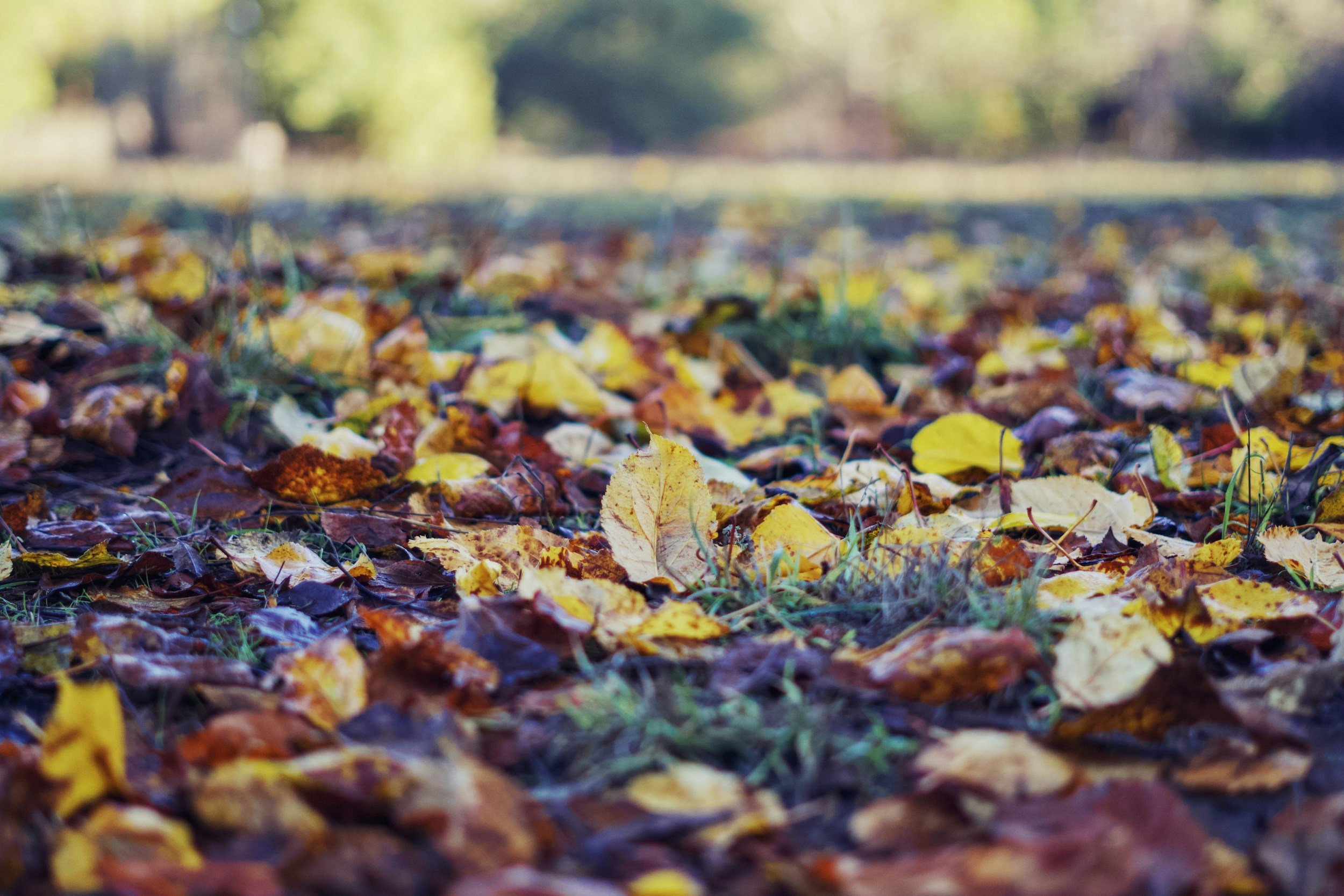
As fall approaches, your mind probably drifts to various things - cooler weather, pumpkin spice lattes, Halloween, you name it! But perhaps the most iconic fall imagery is the tree leaves changing colors and falling to the ground, adding a new splash of color to your yard, neighborhood park, or favorite hiking trails. But did you know these fallen leaves, both during fall and throughout the year, also serve as a vital home for many small animals and important members of our ecosystem?
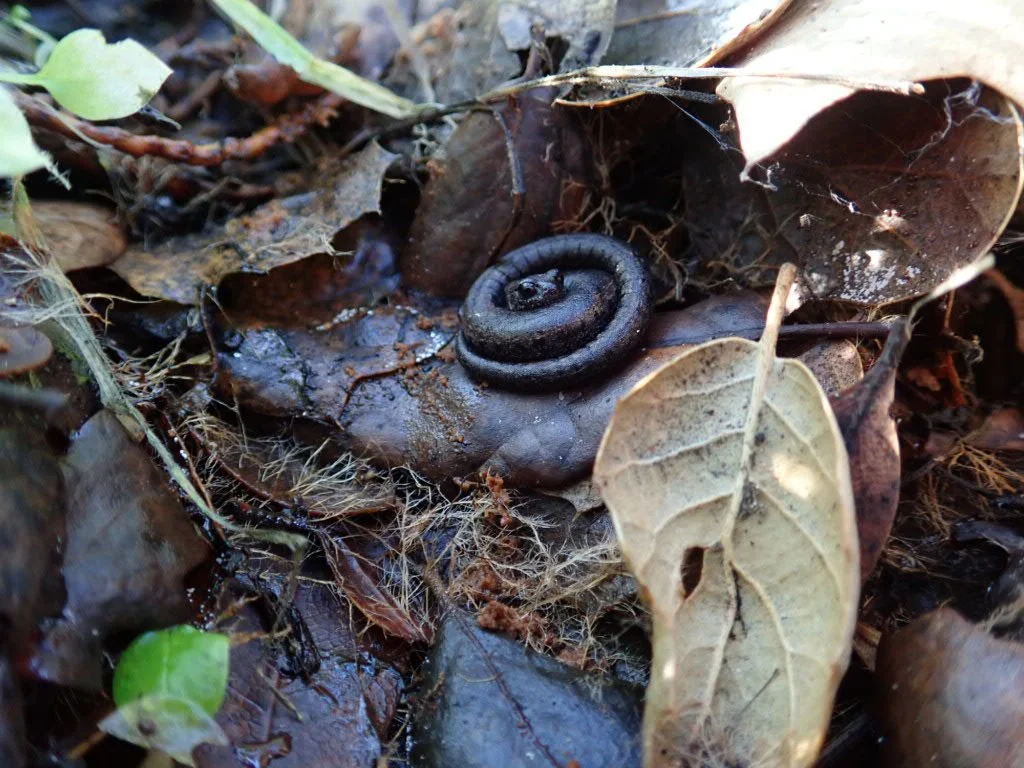
Small herps such as slender salamanders rely on leaf litter to create the microhabitats they need to thrive.
Leaf litter, as well as other small pieces of cover such as planks of wood, rocks, and pots, serve as microhabitats for small herps such as salamanders and ring-necked snakes, as well as the food they eat like worms, isopods, springtails and other small invertebrates. These pieces of cover help create the cooler, damper conditions these animals need to survive, even as the surrounding environment becomes warmer and drier over the course of the year. Beyond the benefit that leaf litter provides for the critters that call it a home, it also provides nutrients to the underlying soil as it breaks down, providing your local green spaces or even your own yard a nice boost.
Given the importance of leaf litter and microhabitats, here are some ways you can help ensure these areas remain safe and beneficial for wildlife and our ecosystem at large:
If you feel the need to re-arrange your yard, do so in small increments at a time. This will allow wildlife that already lives there to re-adjust and find new hiding spots as their previous homes are moved around.
To clean up excess leaf litter, consider using a rake to re-organize the leaves into piles instead of using a leaf blower and/or disposing of the leaves in plastic bags. This will be less disruptive to the animals underneath the leaf litter and still provide them with areas to thrive.
If you’re out herping (looking for reptiles or amphibians in nature), make sure that you place any piece of cover back where you found it. This will ensure that herps and other critters in the area can still safely live in that area, which also means you may find more animals in that same spot in the future!